April 7, 2026
Did You Know? It’s The Jewish Holiday of Passover
Did You Know? It’s The Jewish Holiday of Passover
For many outside the Jewish faith, the word “Seder” may sound unfamiliar, yet it represents one of the most meaningful and deeply symbolic rituals in Judaism. The Seder is the ceremonial meal that marks the beginning of Passover—a holiday that commemorates the ancient Israelites’ liberation from slavery in Egypt. More than a meal, the Seder is an immersive experience of storytelling, memory, and identity, passed from generation to generation. This year, Passover started at sundown on Wednesday, April 1, 2026 and will end at sundown on Thursday, April 9, 2026.
The Meaning Behind Passover
Passover recalls the biblical story of the Exodus, when the Israelites, led by Moses, were freed after generations of bondage. The name “Passover” refers to the final plague in Egypt, when death “passed over” the homes of the Israelites, sparing them. At its core, the holiday is about freedom—not only physical liberation, but also spiritual renewal and the enduring hope for justice.
What Is a Seder?
The word “Seder” means “order” in Hebrew, and the evening follows a carefully structured sequence outlined in a text called the Haggadah. Through readings, prayers, songs, and symbolic foods, participants retell the story of the Exodus.
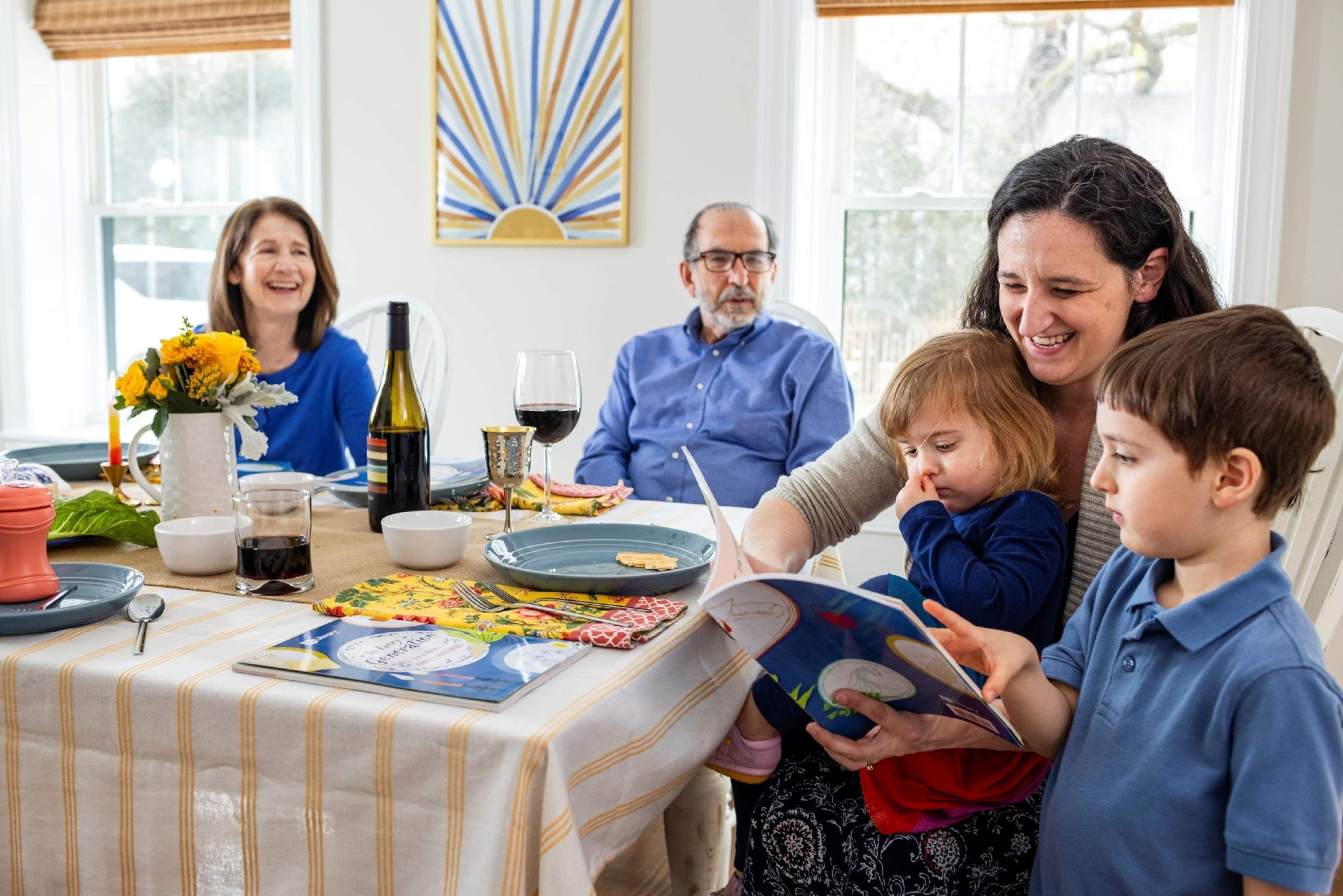
The Seder is intentionally interactive. Children ask questions, adults respond, and the entire table engages in a shared act of remembrance. It is not simply about recounting history—it is about reliving it, as if each participant personally experienced the journey from slavery to freedom.
Symbolism on the Seder Plate
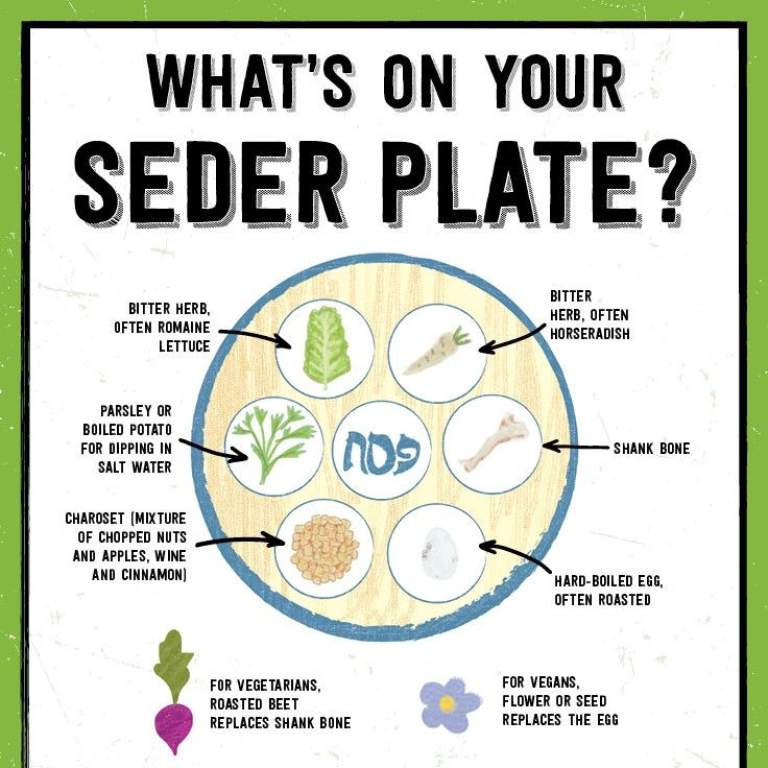
At the center of the table sits the Seder plate, holding foods rich with meaning:
Matzah (unleavened bread): Represents the haste with which the Israelites fled Egypt, not allowing time for bread to rise.
Maror (bitter herbs): Symbolizes the bitterness of slavery.
Charoset (a sweet mixture of fruits and nuts): Resembles the mortar used by enslaved Israelites, blending hardship with a reminder of resilience.
Karpas (a green vegetable): Dipped in saltwater to evoke both springtime renewal and tears shed in oppression.
Zeroa (a roasted bone): Represents the Passover sacrifice.
Beitzah (an egg): A symbol of mourning and the cycle of life.
Throughout the evening, participants also drink four cups of wine, each marking a different expression of redemption.
The Purpose of the Seder
The Seder’s deeper purpose is education and continuity. Jewish tradition places great emphasis on teaching the next generation. The central commandment of the evening is to “tell your child” the story of the Exodus.
But the message extends beyond history. The Seder asks participants to reflect on freedom in their own lives and in the world around them. It encourages empathy for the oppressed and a recognition that the struggle for dignity is ongoing.
Dietary Restrictions During Passover
A defining feature of Passover is its dietary laws. Observant Jews refrain from eating chametz—foods made from leavened grains such as wheat, barley, rye, oats, and spelt that have been allowed to rise.
Instead, they eat matzah and foods prepared without leavening. Many households go to great lengths to remove all traces of chametz from their homes before the holiday begins, symbolizing a form of spiritual cleansing—casting out not just physical crumbs, but also arrogance and excess.
A Celebration of Memory and Meaning
What makes the Passover Seder especially beautiful is its blend of ritual and intimacy. It is at once ancient and immediate, solemn and joyful. Families gather, stories are retold, songs are sung, and traditions are preserved—not as relics, but as living practices.
Even for those unfamiliar with Jewish customs, the Seder offers a universal message: the importance of remembering where we come from, honoring the struggle for freedom, and sharing those lessons with future generations.